It Will Change…
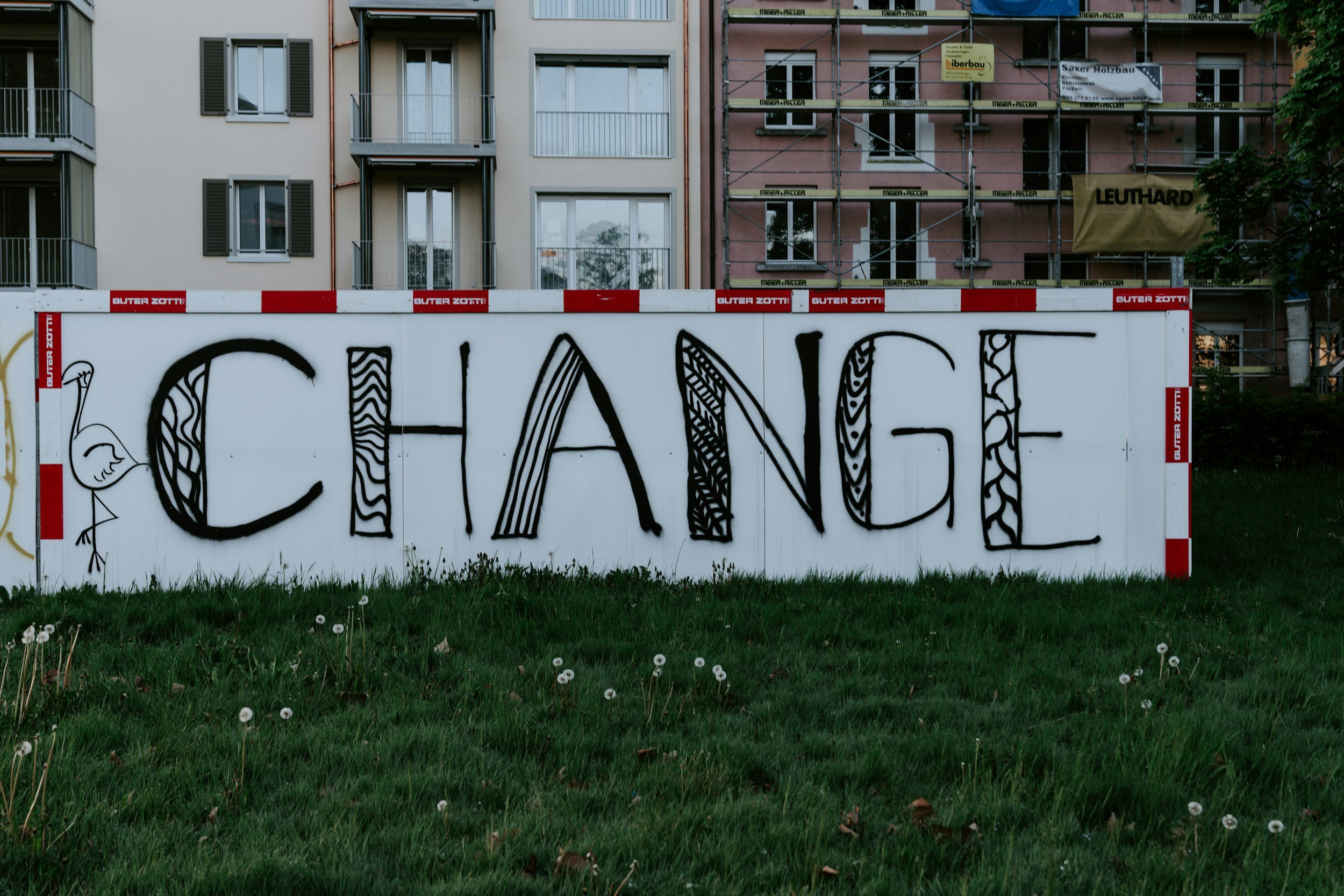
It will Change…
From the days of Ecclesiastes until now, one thing has stayed consistent and certain…things change. Solomon put it this way: "To every thing there is a season, and a time to every purpose under the heaven" (Ecclesiastes 3:1, KJV).
It's fascinating to watch a change unfold and see how it lands on each of us. Our attitudes, personalities and emotional intelligence all shape how we move with the new direction.
None of this is new in our personal or professional lives. But the seasons of change seem to be speeding up. In my own leadership, I've watched that window shrink from five years to six weeks.
When I was cutting my teeth on leadership, we built five-year goals. Once the goal was set, the strategy was born out of several discussions and planning sessions. Then we secured the right people, resources and funding to make the milestones achievable on the timeline. We executed the plan and made tweaks along the way to land the final deliverable.
That was then…this is now. Five years became one to three. Then it became one-year plans. Organizationally, long-term goals still matter, but a one-year plan lines up well with your fiscal year. By the end of the first quarter, you have a solid read on how the year is going, and each quarter gives you room to adjust and land the win.
Personally, I still have goals and dreams for what I want to see unfold in the years ahead. But I've come to believe that something in my life will change about every six weeks. Nothing scientific…it's a feel. Not my whole life in that window. But something significant enough to touch a portion of my life, small or large, and cause me to adjust. If that sounds foreign to you, be grateful for the routine and certainty you walk in daily. Being in the people business probably drives my odds up. Wherever you land on that spectrum, you will have to deal with change.
So how do we walk through it well? Here are four principles I've learned, sometimes the hard way.
1. Get clarity
When a change is proposed, gather all the information you can. It's on you to ask questions, seek insight and understand what's actually changing. Use your voice…only you know how it impacts you. Asking for clarity isn't insubordination. Pushing for a fuller understanding of every aspect of the change is healthy.
It's also important to have a safe, wiser person in your life to help you flesh out your questions and expectations. That keeps your communication productive and moving forward instead of stuck.
2. Own what you can
Once you understand the change and how it affects you, it's time to grasp what is now yours to own.
Start on the inside. Take time to validate your own emotions, feelings and expectations. This is where change hits us the hardest. We remember the friends we made in the process, the great achievements, and the identity we thought we had in the journey. You have to work through all of that, and it isn't easy. It's tempting to put on the "tough guy" persona, but there is a grieving component to change. A wise, mature mentor or counselor can help you sift through what needs to be addressed.
I've been at the same church for over thirty years, and I've seen a lot of change. I joke that in that time I've served in every ministry in the church except women's ministry. (My wife led that one, so between us we touched all the bases.) Moving from one ministry to the next was never easy. So many great people, awesome wins, memories and life milestones. When I run into some of them today, it's great to catch up…and you remember the good stuff you enjoyed together.
Once you've worked through your own inner stuff, ask yourself, "What do I own in this now?" Bring a commitment to move forward with the people, systems and processes that will make it successful. Business or personal, knowing what you own opens the door to growth for you and everyone involved.
3. Surrender what isn't yours
If surrender sounds like a strong word to use with change, it is. Change won't work without it.
For me, surrender means letting go of the people and systems I just described. You can still have a relationship with them, but know it will be different. That's hard. But when you surrender your expectations of the past, you get to build a new version of that relationship…one where you can communicate, work and relate in a healthy way.
Letting go of the old way also means releasing what isn't under your authority and responsibility. When you're clear on what is yours, you'll know how to lead through it. And when something isn't yours, you don't just throw up your hands and say, "Not mine!" Instead, you build the bridge for the person stepping in, and you ask the same from the person handing their role to you. If your role is brand new with no predecessor, you get to forge your own identity. That's exciting…you're poised for a great win.
4. Let it come to you
This is one of the hardest lessons to actually live out when change moves you into a new environment. You want everything to get back to "normal"... and normal is elusive…for you, for others and for the organization. Even the necessary changes and slam-dunk ideas need time to breathe.
As a leader, you'll have people who run toward the change with great enthusiasm and gusto. Others will be reeling with emotions, memories and confusion. Everyone else fills in the continuum between. You need to be available. You need to slow the process down more than you think and be among the people affected by it.
I've seen change many times. Earlier in my leadership, I'd rush to get it all done and set up so we could get going. Every time, that energy slowed down. I couldn't just push it through and tell everyone to "Suck it up." The process always slowed…questions got answered…conversations happened, privately and publicly. There isn't a formula. Some people move faster than you expect and others slower. You still build the change, but you build it from the ground up, at a grassroots level, while staying aware of everything needed to move forward.
My biggest mistake through all the change I've experienced was running ahead. That's why "let it come to you" is the best advice I can give you.
As a leader, you hold the trump card. You can make the declaration and decide when to take each step of the change. But when you let it come to you and give people time to get on board, you're telling them you value them. When you let it come to you in your systems and processes, you see the gaps of the past and the paths of the future. When you let it come to you organizationally, your staff and the people you serve get room to breathe, question, accept and move forward.
Your turn
What has changed in your life in the last year? More importantly, in the last six weeks? How are you doing with that?
Will you move toward the growth that's waiting for you? One step into the unknown can be the door to the greatest part of your journey.
