Give Me this Mountain
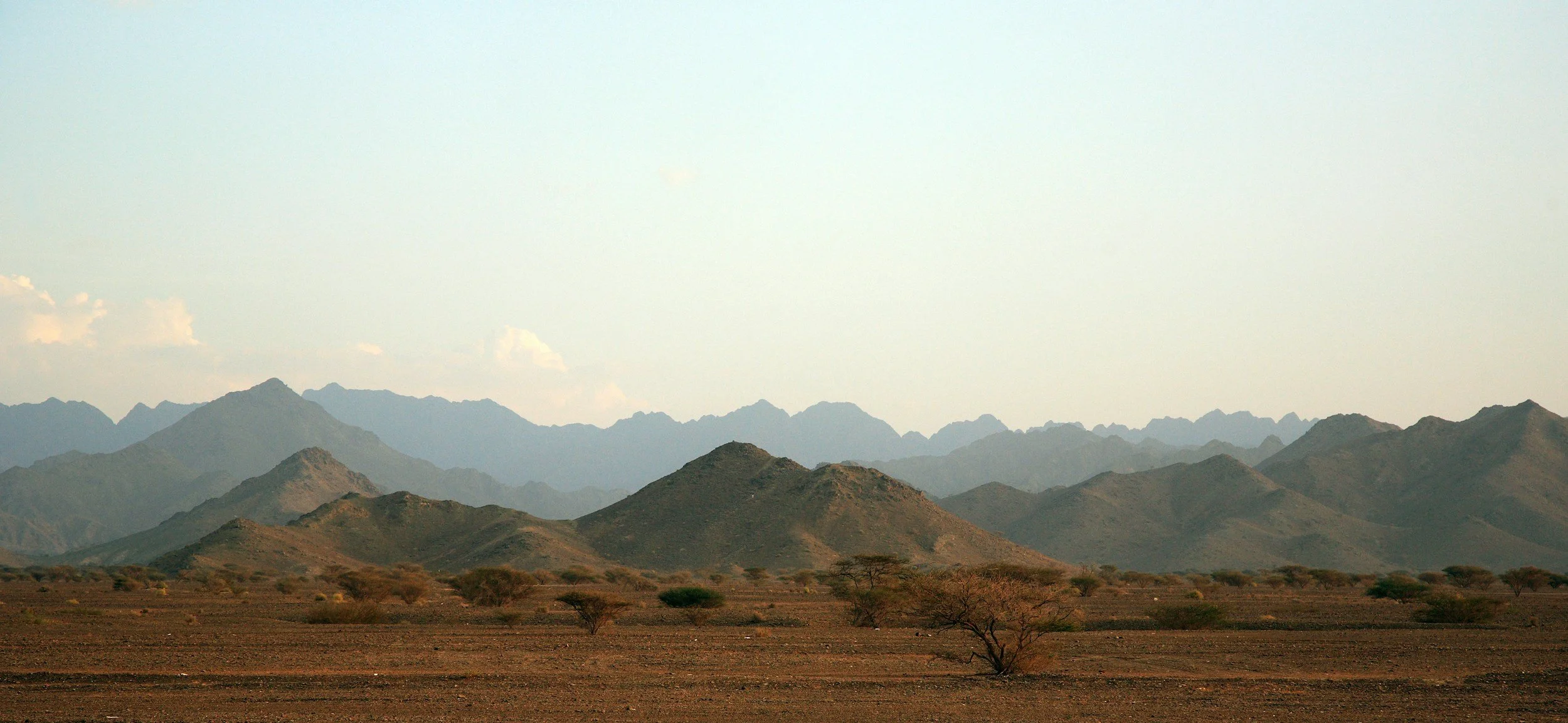
He was 85 years old.
At an age when most people are looking for a quiet porch, a good chair, and maybe a small garden to tend, Caleb walked up to Joshua and asked for a mountain full of giants.
Not a metaphorical mountain. An actual one — Hebron, the same hill country that had terrified ten grown men forty-five years earlier. The same fortified cities. The same Anakites, the giants whose size alone had turned an entire generation of Israelites into grasshoppers in their own eyes. That was the land Caleb wanted. Not because he'd forgotten how frightening it was. Because he remembered exactly how frightening it was — and he asked for it anyway.
I've read this story more times than I can count, and it gets me every time. Not because Caleb was fearless. Because Caleb was faith-full. There's a difference, and it's the difference that makes a leader worth following.
Here's what I believe God is saying to us through this old warrior's request.
A leader worth following runs toward the hard assignment, not away from it.
Most of us, as we get older, tend to trade our battles for our memories. We'd rather tell the old war stories than pick up a new fight. Caleb did the opposite. The very things that had discouraged the ten spies — the hill country, the giants, the fortified cities — Caleb looked at those same three things and called them his inheritance. One commentator points out that what scared the ten spies is exactly what Caleb pursued, because he didn't see obstacles, he saw opportunity. It reminds me of something Paul understood centuries later — that a door of great opportunity is often surrounded by adversaries, not despite them, but because of them.
I want to be honest with you. It is far easier to build a life, a ministry, or a leadership legacy around the assignments that are already comfortable. The team that already trusts you. The vision that's already been cast. The mountain that's already been climbed by somebody else. But God rarely calls us to what's already been conquered. He calls us to Hebron — to the place that still has giants in it. If you're a leader and every assignment in front of you feels safe, I'd ask you to check whether you're still following God's voice, or just managing what's already been won.
A leader worth following speaks boldly, but leans entirely on God, not on self.
Caleb didn't march up to Joshua flexing his own résumé. He didn't say, "Look what I've still got in me." He said, "The LORD helping me, I will drive them out just as He said." One commentary calls this exultant, powerful faith — bold enough to sound almost like bragging, except the boast wasn't about Caleb. It was about God's track record of keeping His word. Another commentator frames Caleb's confidence even more precisely: it's a faith that holds together God's sovereignty and human responsibility in the same breath — not "I will," and not "God will," but "God will, and I will show up."
That's a tension every leader has to learn to hold. I've watched leaders fall on both sides of it. Some talk themselves into thinking their own competence is the engine — and when the competence runs dry, so does the courage. Others use "trusting God" as an excuse to never actually move. Caleb never let himself land in either ditch. He was strong, confident, and vocal — and every ounce of that confidence was borrowed from Somebody bigger than himself. That's the kind of boldness I want. Not the kind that dares people to doubt me. The kind that dares people to watch what God does through me.
A leader worth following is trusted with new territory because of a long obedience, not a single moment.
Here's the part of the story I don't want us to rush past. Joshua didn't just hand Hebron to Caleb because Caleb asked boldly in the moment. Scripture is careful to tell us why: because Caleb wholly followed the Lord God of Israel. That phrase isn't decoration — it's repeated on purpose in this chapter, and it points backward across forty-five years, not just to one good speech at eighty-five. Caleb's confidence at the end of his life was simply the fruit of a faithfulness that had been growing the whole time in between.
That matters to me, and I hope it matters to you. We live in a culture that celebrates the highlight reel — the bold ask, the viral moment, the mountain finally conquered. But Hebron wasn't given to Caleb because of one gutsy request in Joshua 14. It was given to him because he'd been wholeheartedly following God since the day he stood alone with Joshua at Kadesh Barnea and said the land could be taken. The boldness you see in a leader's biggest moment is almost always the overflow of faithfulness nobody was watching for years before it.
Here's my challenge to you.
Somewhere in your life, right now, there's a Hebron. A hill country with your name on it. An assignment, a conversation, a relationship, a calling that scares you a little — maybe a lot — because you already know what's living up there. Maybe you looked at it years ago and, like the ten spies, decided it was too much. Maybe you're the age now where everyone would understand if you asked for the quiet porch instead.
Don't ask for the porch. Not yet.
God isn't done handing out mountains, and He isn't finished with you. The same faith that carried you through Kadesh Barnea is enough to carry you into Hebron. So ask yourself the question Caleb never had to ask, because he'd already answered it with his life: when the moment comes to request your mountain, will forty-five years of wholehearted obedience be standing behind you?
Don't wait for permission to want one more good battle. Ask God to show you your Hebron — and then, with flashing eyes and a strong voice, go ask for it.
