“I Don’t Know”
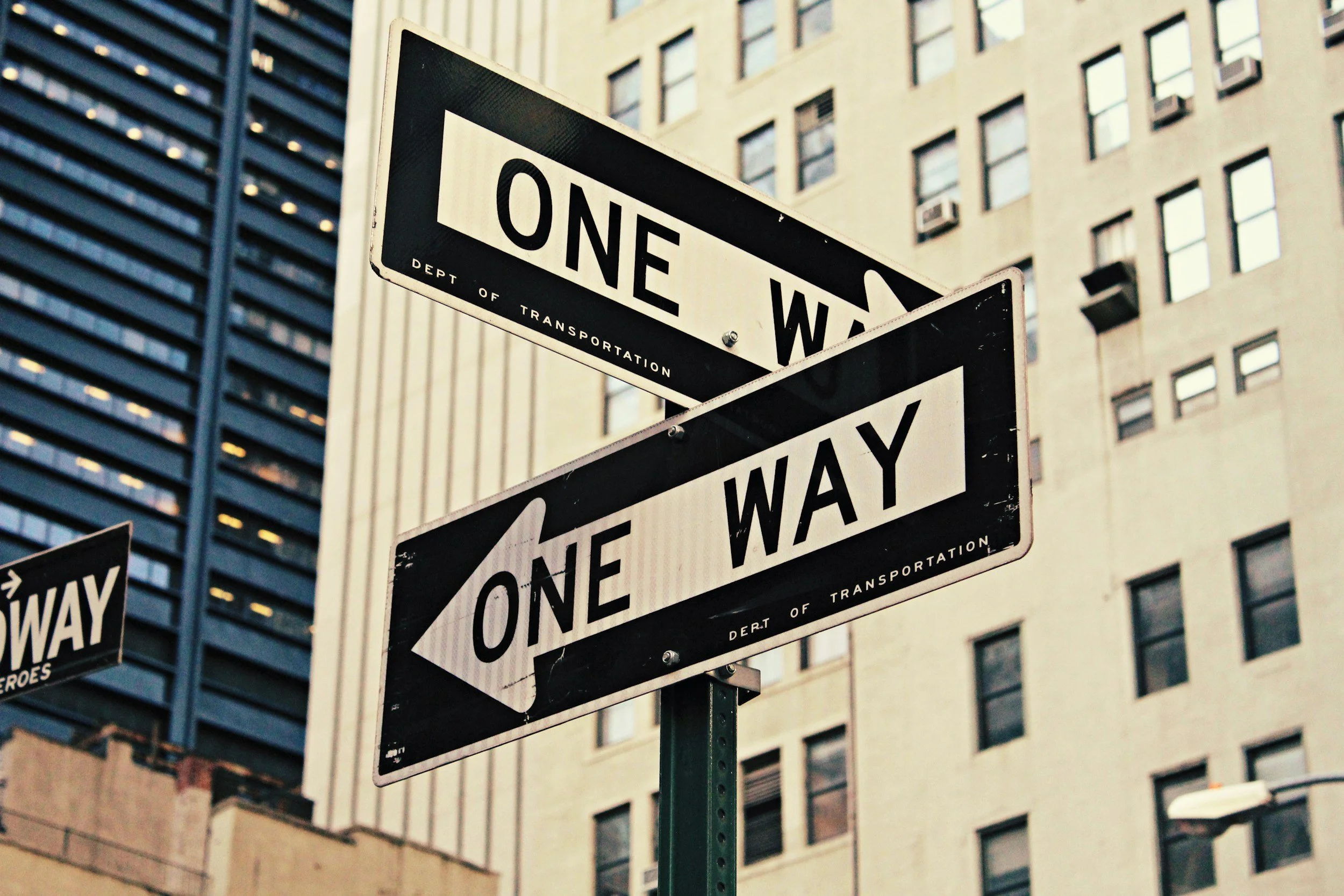
"I Don't Know."
There have been a lot of hard seasons in my life. But one stands out as my own personal "Perfect Storm" — and I mean that literally.
Hurricane Irma was bearing down on Florida as a Category 5, and instead of hitting one coast and spinning off the way most storms do, this one was climbing straight up the spine of the state. At one point, the projected path put my house dead in the eye of it.
That alone would've been enough. But it wasn't alone.
Kristin and I were in the final hours of finishing the lake house we'd planned to live in once the kids were grown — the first move we'd made in twenty-three years. Days before Irma made landfall, I was on my knees grouting the last stretch of tile in that house. Then I spent the next few days boarding up our old place and doing what I could to secure the new one. Both closings got pushed until after the storm. That was the most financial and emotional pressure I've ever felt at one time — not knowing where I'd be living, not knowing if either house would still be standing.
And in the middle of all of it, I was still leading a church. Our people needed communication, support, and a recovery plan, and the storm was coming straight through our backyard.
If I wrote down every question I asked myself in those days — every speculation, every "what if" — it would fill notebooks. And most of those questions got the same honest answer: "I don't know."
Not said in defeat. Said because it was true. I wasn't certain. I couldn't see what was coming. And here's the lesson that came out of it: when you don't know, you're standing at a fork. One road leads to paralysis. The other leads to growth. You get to choose which one you walk down.
The Negative Path: Paralysis and "Less Than"
When we don't have certainty, it's easy to make it personal. We start asking whether we're even qualified to be where we are.
Here's the truth: if you're new to a role, uncertainty comes with the territory. You need traction and anchors to grow into it. If what's in front of you feels completely contrary to your gifts, that's worth an honest conversation with yourself. But that's rare. Most of the time, you're in that seat because someone with better judgment than your own self-doubt put you there.
So when uncertainty hits, why does paralysis hit with it? Usually it's one of a few things. You don't want to be wrong. You don't want to look bad. You want more data before you'll trust your own decision. You want somebody — anybody — to tell you you're making the right call.
Quality control in leadership matters. But paralysis isn't quality control. Paralysis is self-protection wearing quality control's clothes. It's about covering yourself, not serving the people counting on you. And that's work you have to do on the inside before it shows up on the outside.
Then there's condemnation. "I don't know" stops being a fact and starts being a verdict. Not smart enough. Not experienced enough. Not fast enough, sharp enough, ready enough. You'll never be enough — that's the lie condemnation whispers.
Here's what's actually true: you're facing something for the first time, using the skills that got you to this point. Of course there's uncertainty. That's not a character flaw. That's just where you are on the timeline.
We are almost always our own harshest critic. We chase down the information, the counsel, the resources we need to make the best call we can — and then we let the results speak for themselves.
There's no win in living from a "Less Than" mindset. Condemnation is what you think and do. "Less Than" is who you believe you are. It's comparison poisoning the lens you view yourself with each day. You look in the mirror and catalog the flaws. You look at someone else and shrink in their shadow.
Why do those things you believe about yourself make you less? They were placed in you by the One who made you on purpose, for a purpose — before you ever drew a breath. How could you be less than, when your Maker formed you before you were even born? You...Less than? Not even close.
The Positive Path: Anticipation, Learning, and Growth
Choose the other road, and it starts with anticipation. That's not certainty — it's leaning into everything you know and everything you don't, and moving toward what's next anyway.
When Irma turned toward Florida, I was in a good headspace. I spent those last days with a grout float in one hand and a phone in the other, working with our staff to line up resources, communication, and how we'd mobilize the church. Anticipation didn't erase the fear — it converted it. "I don't know" got smaller every time we turned a question into a plan.
Solutions become learning. Even in the moments that never fully materialized, I walked away with more than I walked in with — how to protect a house, how to communicate under pressure, the power of tiered leadership when a crisis hits. I learned that small groups are what make a big church feel small enough that nobody faces a crisis alone. We didn't reach every single person. But we tried, and that trying built something.
Here's the payoff: Irma never actually made a direct hit on Tampa. Hurricane Helene did, in 2024. And the systems, the processes, the muscle memory we built preparing for a storm that missed us — that's exactly what carried our church through the one that didn't.
That's the positive path doing its work. "I don't know" becomes "I know more than I did." Maybe not total confidence. But real growth. Irma was one of the hardest seasons of my life, and I grew because of it — as a husband, a father, a grandfather, a leader, and a pastor. Growth happens when you stop treating "I don't know" as a threat and start treating it as an invitation.
"There's a storm brewing somewhere in your life right now. 'I don't know' isn't the end of the sentence. It's the beginning of the next one you get to write."
